

The link between menopause and oral health: What women should know
Night sweats. Weight gain. Hot flashes. These are all the typical and most popular side effects of menopause. But did you also know that a change in hormone levels can lead to dental issues, too?
What is menopause?
Menopause occurs in women typically between the ages of 45 and 55, said Dr. Michele Schultz-Robins at Rutgers School of Dental Medicine in Newark. She also has a private practice in Red Bank.
Menopause is the natural biological process that marks the end of a woman’s menstrual cycle and reproductive years, she said. It is diagnosed by 12 consecutive months without a menstrual period, and it is characterized by a decrease in the production of estrogen and progesterone hormones produced by the ovaries, Schultz-Robins explained.
Dental Issues
A decrease in the estrogen and progesterone-producing hormones can lead to a variety of oral health issues such as dry mouth, saliva reduction, burning mouth syndrome, osteoporosis of the bones in teeth, and gum disease.
A woman can also get an alter-taste sensation because the hormones that were there and are fluctuating can affect a menopausal woman’s taste buds, Schultz-Robins said.
A menopausal woman can also be more at risk for oral infections such as “thrush,” a sort of yeast infection caused by a fungus in the mouth, throat, or other parts of the body. It can appear as white soft sores, a white coating or a fuzzy feeling in the mouth.

Dry Mouth
Saliva in the mouth helps neutralize acids, keeps teeth clean, washes away food particles, and has enzymes that fight harmful bacteria.
“So, if you don’t have as much saliva, your mouth becomes more acidic, and then things start to stick to your teeth. My patients say that they feel like they have sweaters on their teeth. Their teeth just never feel clean,” Schultz-Robins said.
Without a lot of saliva, food particles can remain in contact with teeth for longer periods of time, and that can increase the risk of enamel erosion, and tooth decay, she added.

Osteoporosis of the Bones
The bones hold the teeth in place. So if a sharp drop in hormones in menopausal women cause a decrease in bone density in the jaw, the teeth will start to loosen.
“If your teeth start loosening up, they can start to shift or you can actually lose them,” Schultz-Robins said.
Also, once bone loss occurs, the gum tissue may come with it which will expose more of the tooth.
“If you have more of your tooth exposed, and now on top with a dry mouth, those areas that normally were not seen in the oral cavity, now are exposed, those are your root surfaces, which can become decayed,” she said.
Tooth loss can occur with that decay.

Treatments and Solutions
Schultz-Robins said everyone, especially menopausal women must visit a dentist at least twice a year.
“It’s important that your dentist tailors your oral health care to your body. We come in lots of different sizes and shapes, and it’s important that every patient, especially the menopausal woman gets that extra care, and has something that is tailored, that fits what she needs,” Schultz-Robins said.
Keep in mind that the older a woman gets, the more likely she may need medications to help with other issues happening with her body such as high blood pressure or diabetes. Schultz-Robins said those medications can affect a woman’s oral health, so dentists must be aware of these meds so they can an oral health care regimen specifically for that person.

Women should try to have their doctors prescribe hormone replacement therapies, too. These will help replenish estrogen production levels which could balance things out, and hopefully help with bone density loss and dry mouth. Increasing Vitamins C and D, and calcium intakes may also help, she said.
At home, menopausal women should stay hydrated. Drink lots of tap water with fluoride to help keep the teeth strong. Avoid carbonated drinks like soda and even sparkling water because the carbonation can be drying.
Feeling dry? Try saliva substitutes that can be bought over the counter. Using sugar-free gum and lozenges will help keep the mouth moist, Schultz-Robins said. Use fluoride rinses without alcohol too, because the alcohol is a drying agent.
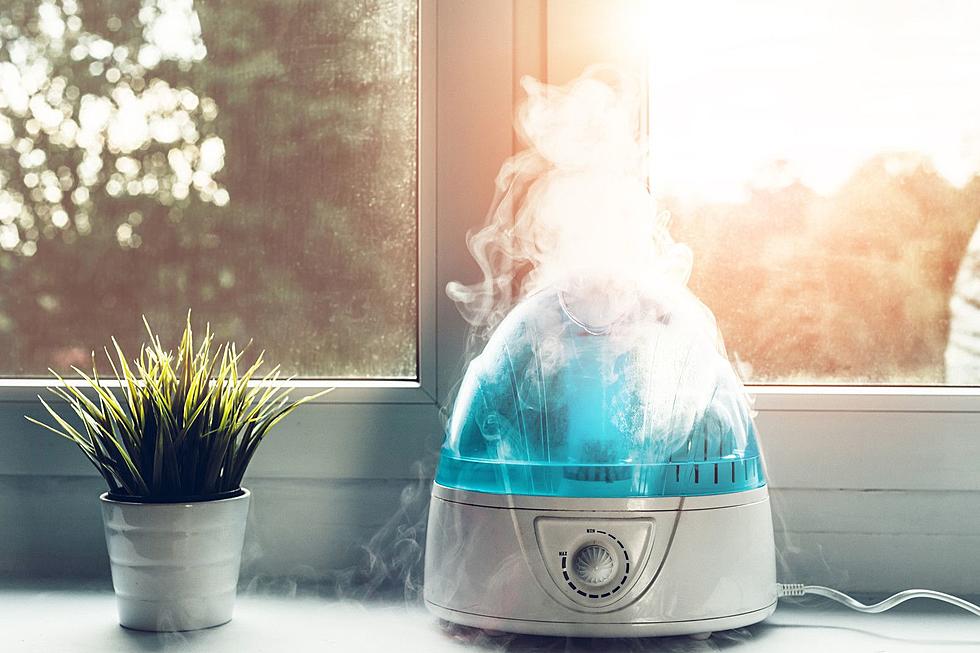
Keep a humidifier in the bedroom to keep the air moist preventing a woman from a mouth-breather, thus drying out the mouth.
Avoid alcohol and tobacco because those are drying, as well, she said.
Brush and floss your teeth at least twice a day. Use an electric toothbrush and fluoride toothpaste to keep the teeth nice and strong, or use special toothpastes that strengthen the gums and the enamel, Schultz-Robins said.
Getting older can be fun and exciting, but it's important to find ways to stay healthy, too.
LOOK: States sending the most people to New Jersey
Gallery Credit: Stacker


