

NJ beachgoers are safe, but these waters could be crawling with painful jellyfish
🌊 Marine experts warn New Jersey could see a surge in clinging jellyfish this summer
⚠️ Sting can trigger intense muscle cramps and severe pain that worsens for hours
🌊 Ocean beachgoers can relax: Clinging jellyfish live in shallow bay waters, not along New Jersey's ocean beaches
It could be a summer with more clinging jellyfish in certain New Jersey waters.
While more monitoring needs to be done to assess how big the population is this year, this is one of the first years we’ve had a real winter in New Jersey, said Paul Bologna, biology professor and director of Marine Biology and Coastal Sciences at Montclair State University.
“In our lab, we know that they produced over 1,000 jellies this year. Normally, we only get about 50 to 100. So, my prediction and my thought is that it might be a very bad year for them, at least in some locations,” Bologna said.
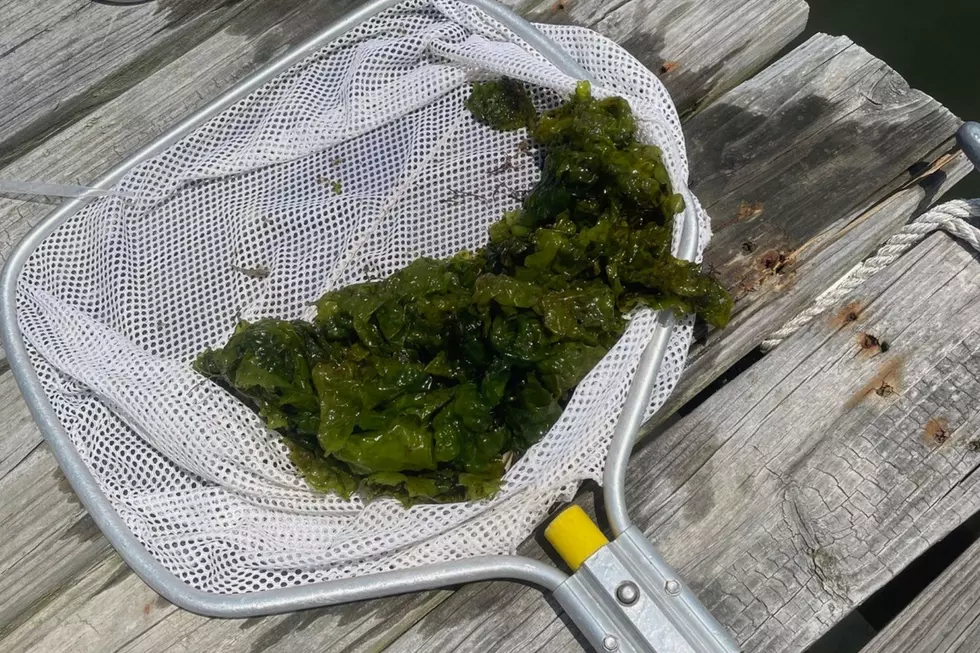
Clinging jellyfish could surge in New Jersey back bays this summer
Clinging jellyfish have been spotted from Shrewsbury to Cape May, but Bologna said they only live in estuaries, back bays, and riverine areas. They don’t live at ocean beaches.
“So, if you’re going to go to the shore, you can be on those ocean beaches and not have to worry about clinging jellyfish,” Bologna said.
However, if you’re hanging out in the waters of Barnegat Bay or Shrewsbury Navesink, you will find the clinging jellies.
Bologna explained they are found in shallow waters. They are called clinging jellyfish because they “cling” or hold onto eel grass or floating algae in the back bay waters.
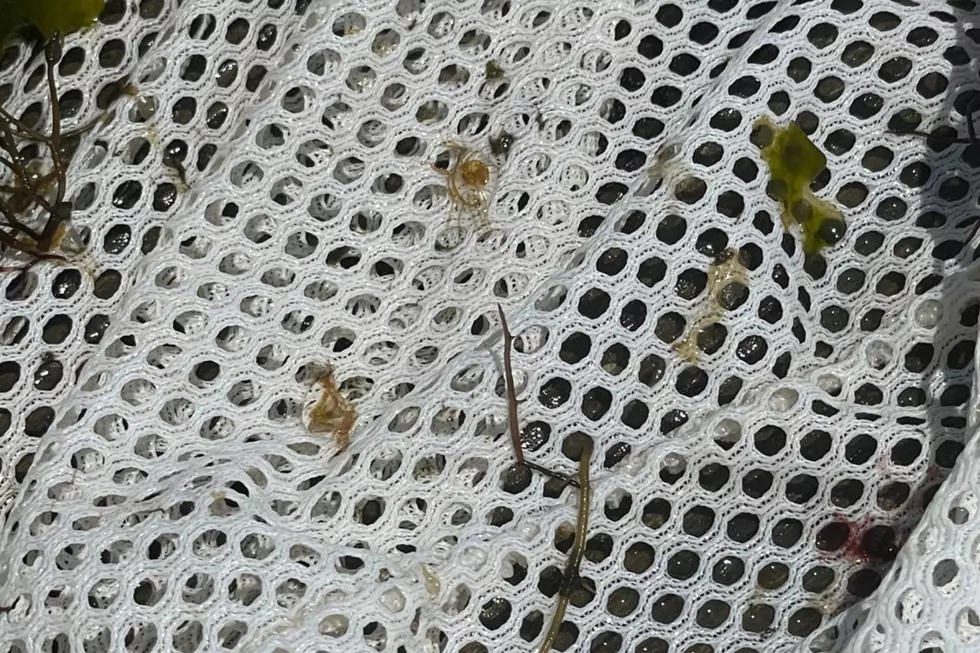
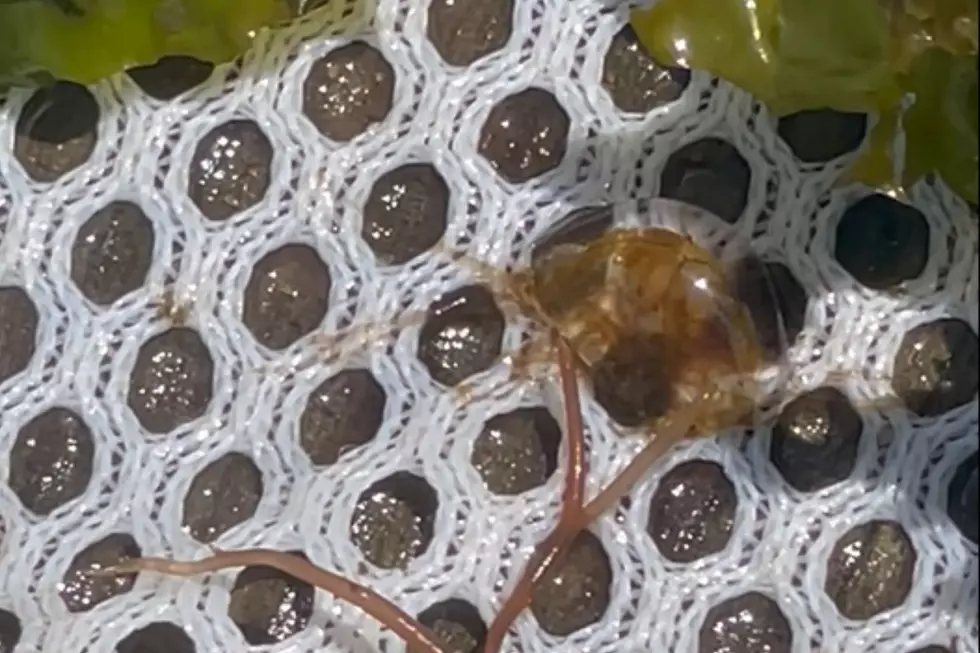
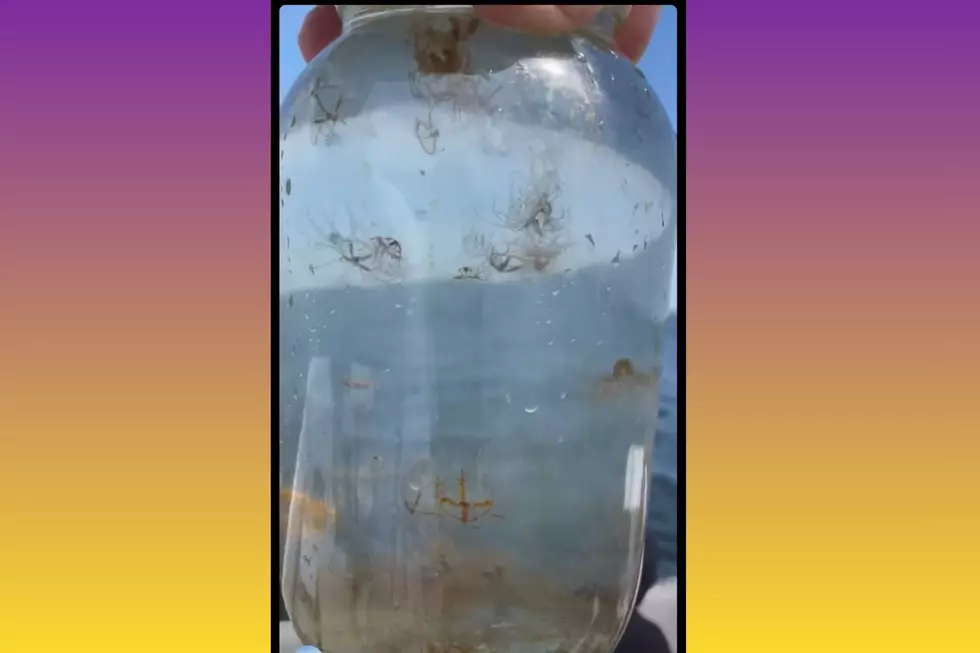
He warned that if people brush by the grass as they’re walking in the shallow waters, they may get stung. Plus, it’s hard to spot them because they’re only about a quarter of an inch big, and they are clear.
ALSO READ: How to score free visits to NJ museums, zoos and more this summer

Why clinging jellyfish stings are more dangerous than typical jellyfish
Bologna said a clinging jellyfish sting is extremely painful. Normal jellyfish stings hurt at the site of the sting, but then slowly subside, he explained.
With clinging jellyfish, they have these incredible paralysis toxins. So, when someone gets stung, it hurts.
Then, hours later, the pain continues to build because those venoms go into your system, and they start to crunch down on your muscles, causing muscle cramps.
“But what happens is it doesn’t go away. Those muscles clamp down so that pain continues to build and build and build over time,” Bologna said.
The pain becomes excruciating even hours later, debilitating some people and sending them to a hospital’s emergency room for treatment.
How to treat a clinging jellyfish sting in New Jersey waters
To treat a jellyfish sting, Bologna recommends carrying white vinegar with you this summer when heading to Jersey waters.
White vinegar stops any stinging cells that haven’t fired off from continuing, he said.
The second step is to rinse the sting site with whatever water you’re in, like a back bay or an estuary, and don’t use bottled water. The natural water will help rip off any remaining jelly tentacles.
Next, wipe the area clean and apply a hot compress. Bologna said the hotter the better.
The heat helps break down the jellyfish venom.
“We call it denaturing. So, it helps denature those venoms and lessen it,” he said.
Hot compresses for at least 30 minutes after the sting breaks down as much of the venom before it has a chance to go through your body.
New Jersey sting victims have landed in emergency rooms
While there has been no evidence of clinging jellyfish causing any deaths, Bologna said the intense pain can last for a couple of days, making it so debilitating that people have wound up in emergency rooms.
He recalled a New Jersey man who was stung by a clinging jelly and had to be hospitalized on a morphine drip for the pain.
Others thought they were having a heart attack because they felt such intense chest pains, but it turned out it was excruciating pain from a jellyfish sting, he said.
Recently, a 6-year-old girl was stung by a clinging jellyfish in the Metedeconk River in Brick, and she had to go to the emergency room for the pain.
So, bottom line, Bologna said, is to be careful along the back bays of New Jersey.
Report a correction 👈 | 👉 Contact our newsroom
16 ways the weather can impact your Jersey Shore beach day
Gallery Credit: Dan Zarrow

More From WPG Talk Radio 95.5 FM